How Longevity Is Redefining Wealth, Retirement, and Financial Security
For much of modern history, financial planning followed a familiar roadmap: build a successful career, save consistently, retire comfortably, and enjoy a well-earned life after work. Today, that roadmap is being rewritten.
People across the world are living longer than ever before, thanks to remarkable advances in healthcare, nutrition, and technology. While longer life expectancy represents one of humanity’s greatest achievements, it also presents one of its greatest financial challenges. Retirement now lasts decades rather than years, healthcare costs continue to rise, and traditional pension systems face increasing pressure to support aging populations.
Longevity has become more than a demographic trend it is now a defining force reshaping personal finance, retirement planning, wealth management, and economic policy. The question is no longer simply how much wealth should we accumulate? Instead, today’s leaders, families, and financial professionals must ask a far more important question: How do we ensure our wealth lasts as long as our lives?
The New Financial Reality of Longer Lives
For generations, retirement planning assumed a relatively predictable life cycle. Most people entered the workforce in early adulthood, retired in their early sixties, and expected retirement to last approximately two decades. That assumption no longer reflects reality. Many individuals today may spend thirty or even forty years in retirement. While longer lives create opportunities for personal fulfillment, travel, family, and lifelong learning, they also dramatically increase financial responsibilities.
Savings that once appeared sufficient may no longer provide sustainable income throughout an extended retirement. Even small financial decisions made during one’s working years can have significant consequences decades later, particularly when investment markets experience multiple economic cycles over an increasingly long retirement period. The result is a new financial landscape where longevity itself has become one of the greatest investment risks.
Rethinking Retirement for a Longer Future
Retirement is no longer viewed as a fixed destination. Instead, it is evolving into a gradual transition that requires flexibility, adaptability, and continuous financial planning. Rather than leaving the workforce completely, many professionals now choose phased retirement, consulting opportunities, or part-time careers that provide both income and personal fulfillment. These flexible arrangements help preserve retirement savings while allowing individuals to remain professionally active and socially engaged.
Financial advisors are also moving away from rigid retirement models toward dynamic planning strategies that account for changing market conditions, healthcare expenses, and evolving personal goals. Higher savings rates, flexible withdrawal strategies, and delayed retirement have become increasingly important tools for maintaining financial stability throughout longer lives.
When Families Begin Supporting Three Generations
Longevity influences far more than individual retirement plans it transforms family finances as well.
Today’s households often find themselves supporting multiple generations simultaneously. Adults approaching retirement may continue helping their children with education or housing while also providing financial or caregiving assistance to aging parents well into their eighties or nineties. This “three generation economy” places greater demands on household budgets and requires families to rethink traditional wealth planning.
Inheritance timelines may shift, major financial gifts may be postponed, and long-term healthcare considerations increasingly influence estate planning decisions.Open conversations about finances, care preferences, and future expectations have become essential for preserving both family relationships and financial security.
The Growing Pressure on Public Retirement Systems
Longer life expectancy is also transforming national pension programs and public retirement systems.
As retirees collect benefits for extended periods, governments face significantly higher long term obligations. At the same time, declining birth rates reduce the number of working individuals contributing to these systems, creating growing financial imbalances. Around the world, policymakers continue to explore solutions such as increasing retirement ages, adjusting contribution rates, modifying benefit structures, and revising cost-of-living calculations.
While these reforms seek to strengthen long-term sustainability, they also create uncertainty for younger generations who cannot accurately predict the level of public support they may receive decades from now. Consequently, personal retirement savings and private investment strategies have become increasingly important components of long term financial planning.
Healthcare: The Largest Financial Variable
Healthcare remains one of the most significant financial considerations associated with longer life expectancy.
Medical expenses rarely remain constant with age. Preventive care, chronic disease management, prescription medications, specialist treatments, and long term care services all contribute to rising costs over time. Long term care, in particular, presents one of the greatest financial uncertainties. Whether provided at home or within residential care facilities, extended support often requires substantial financial resources beyond what many public healthcare systems currently provide.
Preparing for these costs requires proactive planning through supplemental insurance, dedicated healthcare savings, and realistic discussions regarding future care preferences. The earlier these conversations occur, the better positioned families become to manage both financial and emotional challenges later in life.
Managing Longevity Risk in Financial Markets
Longer life expectancy has also transformed the financial services industry.
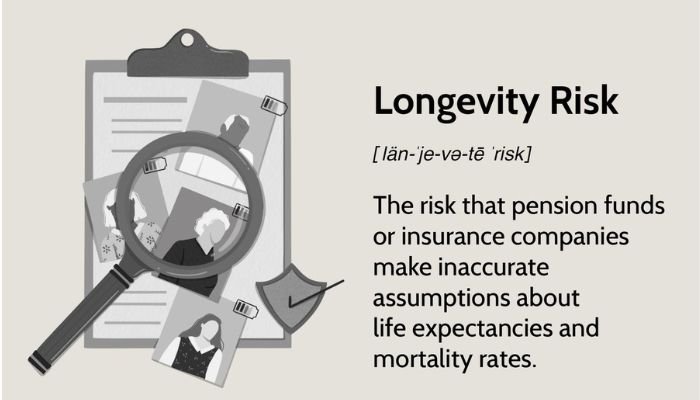
Insurance companies, pension providers, and annuity providers now face the challenge of supporting clients who may live significantly longer than historical projections anticipated. To address these risks, financial institutions continuously refine mortality assumptions, improve pricing models, diversify investment portfolios, and strengthen long-term capital management strategies.
Modern retirement products increasingly balance guaranteed lifetime income with investment flexibility, helping clients maintain financial confidence while adapting to changing economic conditions. Transparency has become equally important, ensuring individuals fully understand both the security and trade-offs associated with long-term financial products.
Future Proofing Wealth in the Age of Longevity
As longevity continues to reshape society, financial planning must evolve beyond traditional assumptions.
Building wealth is no longer enough. Preserving purchasing power, managing healthcare costs, creating sustainable income streams, and maintaining financial flexibility throughout extended lifespans have become equally important.
Future-ready financial strategies emphasize diversification, adaptability, continuous planning, and disciplined decision-making rather than one-time retirement calculations. Those who prepare early, revisit their financial plans regularly, and remain flexible as circumstances change will be best positioned to enjoy not only longer lives but richer, more meaningful ones.